Top 8 Pet Safe Garden Plants for Your Yard in 2026
Discover 8 beautiful and pet safe garden plants. Create a worry-free outdoor space for your dogs and cats with our complete 2026 guide to garden design.
Create a beautiful, worry-free garden for your pets
You want a yard that feels lush and finished, but every plant choice comes with a second question. Is it safe if the dog sniffs it, chews a leaf, or barrels through the bed at full speed? That hesitation stops a lot of pet owners from planting anything more adventurous than turf and a few pots.
It doesn't have to be that way. There are plenty of pet safe garden plants that bring color, texture, and structure without adding toxic risk to your outdoor space. The bigger challenge is layout. A safe plant in the wrong spot can still get flattened, dug up, or turned into a bathroom target.
That's why the best pet-friendly gardens aren't just plant lists. They're designed around how pets move, play, and investigate. You need durable zones, sheltered containers, clear paths, and a few smart barriers so the garden works in real life.
If your dog is also a backyard forager, it's worth reading about keeping your dog safe from acorns too. Plant safety is only one part of the puzzle.
1. Spider Plant (Chlorophytum comosum)
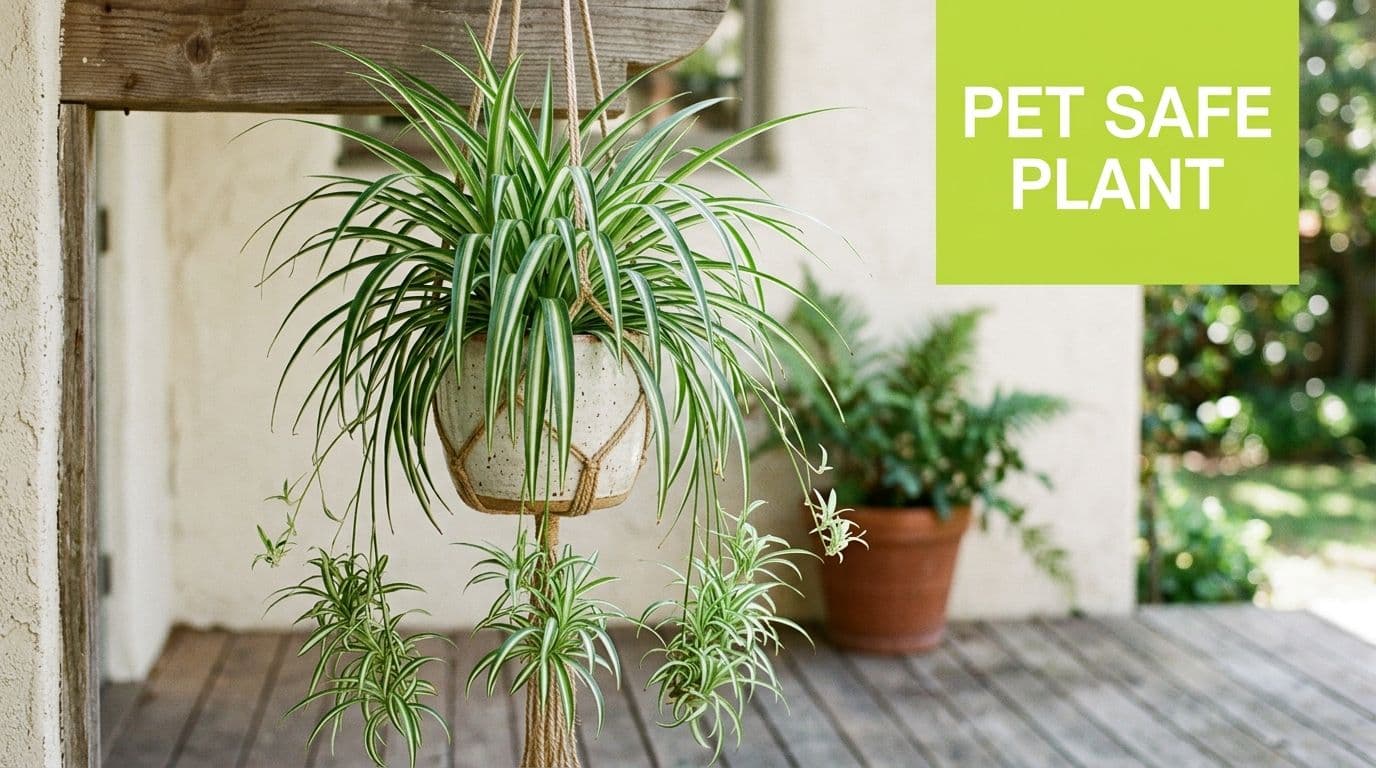
A spider plant earns its keep fast. It softens brick, stone, and wood with arching leaves, handles a bit of neglect, and fits the places many pet owners need help with, such as patios, entry steps, and shaded seating areas.
I use it when a garden needs movement without fuss. The foliage spills nicely from a basket, but it also works at ground level in protected spots where the plant can blur the edge of a path or container group. That flexibility matters in pet-friendly design because the right plant still needs the right position.
Best placement ideas
Spider plant works best where you can enjoy the shape without putting it directly in a pet traffic lane.
- Hanging baskets: Good for porches, pergolas, and patio corners where the leaves can trail without becoming a chew toy.
- Sheltered container edges: Use it at the rim of a mixed pot to soften upright plants and hard container lines.
- Front-of-border accent: Place it near pavers or stone, but only in beds your dog does not charge through every afternoon.
Practical rule: If your dog nibbles anything that looks grassy, raise spider plants above nose height.
Care is straightforward. Bright, indirect light keeps the foliage clean and fresh-looking. Well-draining soil matters more than heavy feeding, and filtered water can help if leaf tips brown in your area. In outdoor pots, I leave a little room around each plant so the clumps can fill out instead of turning into a crowded tangle.
Spider plant is also useful during layout planning because its form is predictable. You can test whether it should trail from a hanging planter, soften the base of a bench, or repeat along a shaded wall before you buy anything. If you want to map those options first, backyard design ai helps you preview a safer layout that still looks intentional.
2. Boston Fern (Nephrolepis exaltata)
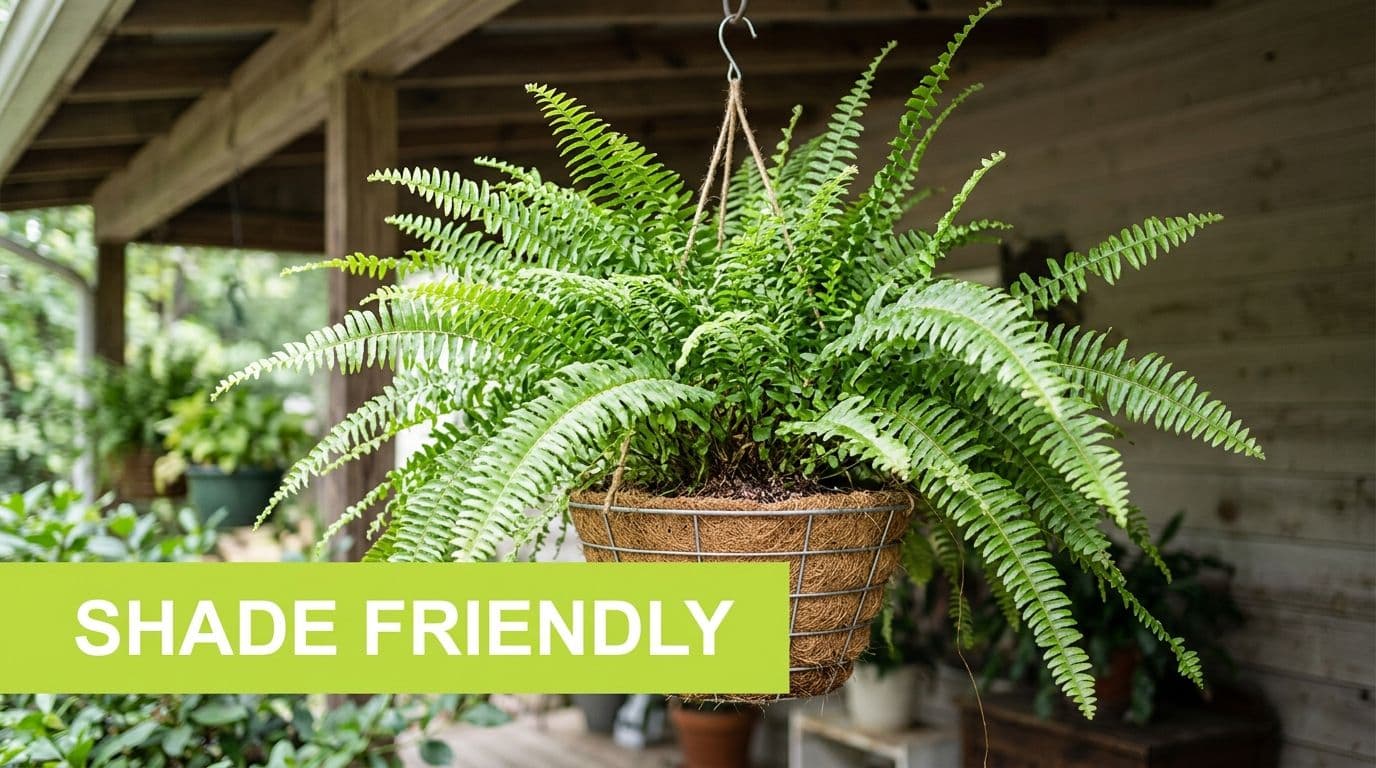
Boston fern changes the mood of a space fast. A bare shaded porch can feel flat and cold, but two full ferns in baskets or urns instantly add softness and movement. They're especially useful where flowering plants struggle.
These ferns fit pet-friendly gardens because they solve a design problem, not just a safety problem. They fill vertical space, hide sharp transitions between decks and beds, and make covered patios feel intentional.
What Boston fern needs
Boston fern is happiest in bright, indirect light with steady moisture. Rich soil with drainage is the sweet spot. If the air runs dry, the fronds crisp at the tips, so grouping a few together often works better than scattering single plants around the yard.
A good real-world use is flanking a shaded seating area with matching hanging baskets. Another is lining the edge of a pergola where pets pass underneath but don't brush the foliage constantly.
Simply planting pet-safe plants may not be enough if pets trample, chew, or dig through the space.
That design reality comes up often in pet-safe garden planning, and it's why fern placement matters. Put them in protected shade, not along a dog's sprint path. If you're mapping those traffic routes in advance, backyard design ai is useful for testing sheltered fern groupings before you hang anything.
3. African Violet (Saintpaulia ionantha)
African violets work best when you stop treating them like bedding plants and start using them as close-up color. They're compact, tidy, and ideal for a table on a covered patio, a window box near seating, or a protected container arrangement where the flowers can be appreciated at eye level.
Their strength is scale. In a pet garden, not every plant should be big and structural. You also need a few smaller pieces that add bloom and softness in safe, controlled spots.
How to keep them blooming
African violets prefer bright but gentle light. East- or west-facing exposure is usually better than harsh afternoon sun. They also respond better to bottom watering with room-temperature filtered water than splashy overhead watering, which can mark the leaves.
Try them in:
- Covered patio groupings: Cluster several pots for a strong focal point.
- Window boxes: Add color near benches or outdoor dining areas.
- Mixed planters: Combine with foliage plants that enjoy the same sheltered conditions.
Remove spent flowers regularly and use a well-draining mix made for African violets. These aren't the plant for a rough dog-run edge, but they're excellent in raised planters or tucked onto protected shelves where pets can't knock them over easily.
4. Parlor Palm (Chamaedorea elegans)
Parlor palm gives you height without the heavy, spiky feel that some tropical plants bring. The fronds are light, elegant, and useful when you want a patio corner to feel more like a garden room than an afterthought.
This is one of my favorite choices for renters and homeowners who need a plant that can move with the season. In a decorative container, it can frame an entry, soften a fence line, or anchor a shady sitting area.
Where it works best
Parlor palm handles bright, indirect light well and prefers soil that drains but doesn't dry out too hard between waterings. It's not a sun-baked patio plant. Think sheltered corners, pergolas, and covered outdoor rooms.
Use it as:
- A gateway plant: One container by steps or a side gate.
- A framing element: Matching pots beside chairs or a bench.
- A tropical layer: Backdrop planting behind lower shade foliage.
Mist the fronds if conditions are dry, and don't crowd the pot with thirsty companions. For planning larger patio compositions, ai landscape design software helps place parlor palms as upright focal points before you commit to oversized containers.
5. Prayer Plant (Maranta leuconeura)
Prayer plant is all about foliage detail. The patterned leaves draw attention up close, which makes it better for intimate spaces than spacious planting beds. Put it where people sit, pass by slowly, or notice the leaf pattern in morning and evening light.
It's also one of those pet safe garden plants that works best in a sheltered microclimate. Covered patios, plant shelves, and protected nooks suit it much better than exposed beds.
A closer look helps here:
Design with proximity in mind
Prayer plant likes bright indirect light, steady moisture, and humidity. It's not difficult if you place it correctly. It is frustrating if you set it in hot sun or let the soil swing from bone dry to soggy.
Keep the showpiece plants close to the house and out of rough traffic. That's usually where both the plants and the pets do better.
Low bowls, pedestal planters, and shaded plant tables all work. Rotate the pot now and then for even growth, and pinch it back if you want a bushier look. In a visual mockup, prayer plants are strongest near seating zones where their color and pattern don't get lost.
6. Haworthia (Haworthia attenuata)
If your style leans clean and modern, Haworthia earns its spot fast. The striped rosettes read crisp and architectural, especially in gravel-top containers, shallow bowls, or rock garden pockets.
This plant also answers a very practical problem. Some pet owners want greenery but know they won't keep up with daily watering. Haworthia is one of the few pet-friendly choices that still looks deliberate in a dry setup.
Best use in low-maintenance zones
Use cactus or succulent mix, and make sure the container drains freely. Water sparingly, then leave it alone until the soil dries again. Overwatering is what usually ruins the look.
Good placements include:
- Sunny patio pots: Small grouped containers on a table or ledge.
- Rock gardens: As repeating accents among stone and gravel.
- Xeriscape-style arrangements: Mixed with other dry-loving textures.
This is a smart option for households where dogs ignore containers but run hard through in-ground beds. A raised bowl on a sunny step or side table gives you visual interest without creating a soft target for digging.
7. Calathea (Calathea orbifolia)
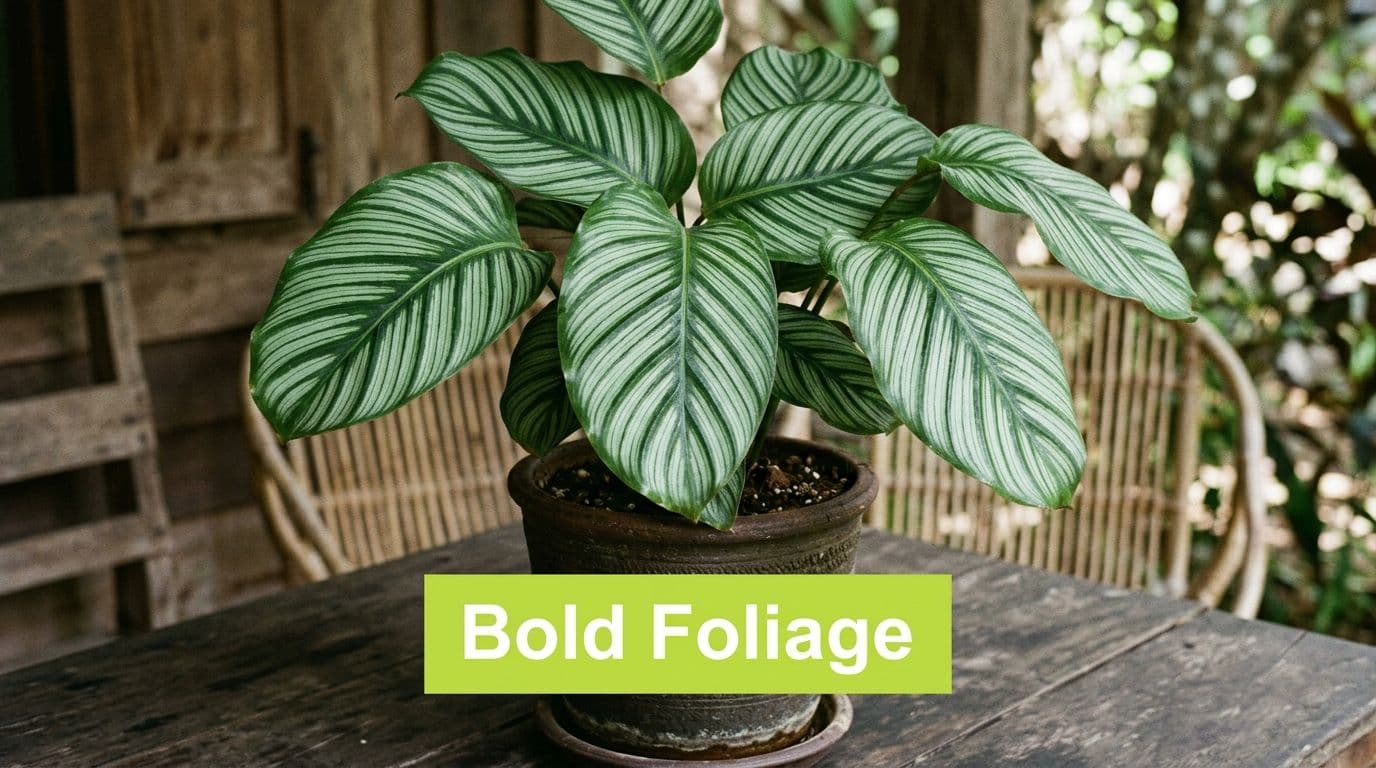
Calathea is for the gardener who wants foliage that feels curated. The leaf pattern does most of the visual work, so one strong specimen can carry a shaded patio table or sheltered corner.
It does ask for more attention than spider plant or Haworthia. That's the trade-off. If you can manage humidity and consistent watering, it rewards you with a polished tropical look that few other pet-safe options match.
Worth it in the right spot
Calathea prefers bright indirect light and steady moisture without sitting wet. Filtered or distilled water helps avoid leaf spotting. Daily misting can help, but placement matters more than fussing. Keep it out of cold drafts and hard afternoon sun.
Group a few together if you want to build a humid pocket. That approach usually works better than treating one lonely calathea as a stand-alone survivor on an exposed patio.
A common mistake is putting a high-care foliage plant in the roughest part of the yard. Save calathea for protected containers near the house, where you'll notice when it needs attention.
8. Peperomia (Peperomia obtusifolia)
Peperomia is the plant I'd hand to someone who wants easy texture and doesn't want a lot of drama. It stays compact, tolerates moderate neglect, and fits almost anywhere a sheltered container can sit.
The thick leaves give it a fuller, more finished look than many small plants. That makes it useful in mixed planters, especially when you need a neat foreground plant that won't flop or sprawl too far.
Why it fits pet-friendly layouts
Let the soil dry between waterings, use a free-draining mix, and give it bright indirect light. That basic routine is usually enough to keep it happy.
Try peperomia in:
- Mixed patio containers: It pairs well with other foliage plants.
- Sheltered window boxes: Compact growth keeps the box tidy.
- Grouped pot displays: Several together create a fuller visual mass.
One practical advantage is flexibility. If a pet starts investigating one corner too much, peperomia is easy to move and regroup. For renters, apartment patios, and small backyard seating zones, that mobility matters a lot.
Top 8 Pet-Safe Garden Plants Comparison
| Plant (Scientific) | Maintenance Complexity (🔄) | Resource Requirements (⚡) | Effectiveness / Visual Impact (⭐📊) | Ideal Use Cases (📊) | Key Advantages & Tip (💡) |
|---|---|---|---|---|---|
| Spider Plant (Chlorophytum comosum) | Low, very tolerant of neglect 🔄 | Low–moderate: adaptable light, occasional watering ⚡ | High, fast-growing trailing foliage, air-purifying ⭐📊 | Hanging baskets, borders, mixed containers 📊 | Pet-safe and easy to propagate. Tip: use filtered water; pinch plantlets 💡 |
| Boston Fern (Nephrolepis exaltata) | Moderate, consistent care required 🔄 | High: needs high humidity, consistent moisture, indirect light ⚡ | High, lush, feathery texture for shade ⭐📊 | Shaded patios, hanging baskets, softening hardscape 📊 | Great for volume in shade. Tip: mist often and keep soil evenly moist 💡 |
| African Violet (Saintpaulia ionantha) | Moderate, specific watering and light 🔄 | Moderate: bright indirect light, careful watering, warm temps ⚡ | Medium–High, continuous colorful blooms in compact form ⭐📊 | Window boxes, small containers, sheltered patios 📊 | Long-blooming and compact. Tip: water from below with room-temperature filtered water 💡 |
| Parlor Palm (Chamaedorea elegans) | Low–Moderate, slow growth, basic upkeep 🔄 | Moderate: indirect light, warm temps, moderate humidity ⚡ | High, elegant vertical accent, tropical feel ⭐📊 | Container accents, sheltered patios, vertical focal points 📊 | Long-lived vertical form. Tip: protect from cold and mist fronds for humidity 💡 |
| Prayer Plant (Maranta leuconeura) | Moderate, sensitive to inconsistency 🔄 | Moderate–High: steady moisture, humidity >50%, indirect light ⚡ | High, striking patterned foliage and nightly leaf movement ⭐📊 | Shelved containers, shaded patios, close-up focal spots 📊 | Distinctive foliage and movement. Tip: maintain humidity and use filtered water 💡 |
| Haworthia (Haworthia attenuata) | Very Low, minimal maintenance 🔄 | Low: drought-tolerant, bright light, well-draining soil ⚡ | Medium, strong geometric interest but small size ⭐📊 | Rock gardens, small containers, sunny windowsills 📊 | Virtually maintenance-free. Tip: avoid overwatering; use cactus mix and drainage 💡 |
| Calathea (Calathea orbifolia) | High, demands consistent care 🔄 | High: humidity >60%, consistent moisture, indirect light ⚡ | Very High, dramatic patterned foliage, strong focal impact ⭐📊 | Statement patio containers, plant rooms, shaded focal points 📊 | Spectacular foliage but needy. Tip: use humidifier/misting and filtered water 💡 |
| Peperomia (Peperomia obtusifolia) | Low, forgiving and easy 🔄 | Low–moderate: moderate light, allow drying between waterings, well-draining soil ⚡ | Medium, attractive compact foliage, good texture ⭐📊 | Small containers, mixed plantings, sheltered patios 📊 | Low-maintenance and varied foliage. Tip: let soil dry between waterings; pinch to bush up 💡 |
Design and Visualize Your Pet-Friendly Oasis
A dog tears around the side yard, cuts the same corner every morning, then flops down in the coolest patch of mulch by the patio. That behavior should shape the garden as much as sun exposure or soil type. Safe plant choices matter, but layout decides whether those plants hold up.
Start with traffic patterns. If your dog already uses one route, formalize it with pavers, gravel, or a mown path instead of forcing plants into a spot that will be trampled. Raised planters and sturdy containers help protect softer foliage, especially near play areas, and in my experience they also make watering and cleanup easier.
The second pressure point is bathroom use. A designated elimination zone, set away from your best containers and repeated sniffing spots, saves a lot of avoidable damage. The advice in this dog-friendly backyard guide is sound. Give dogs a clear place to go, add a simple target like a stump or post, and protect the rest of the yard from constant urine stress.
Safe does not always mean trouble-free. Even non-toxic plants can cause mild stomach upset if a pet chews enough of them, and high-traffic pet zones create wear that has nothing to do with toxicity.
That distinction matters. Extension gardening guidance on pet-safe planting points out the difference between plants that are non-toxic and plants that still may irritate or struggle in pet-heavy spaces. In these situations, garden design beats a simple plant list. Put the tougher options where pets run, dig, and mark. Save delicate pots and humidity-loving plants for sheltered patios, covered entries, and other low-traffic spots.
You can also widen your plant palette once the layout is doing some of the work. This pet-friendly plant overview highlights begonias as a broad pet-safe group, which is useful if you want more flexibility with leaf shape and flower color. This pet-friendly plant guide notes that bromeliads are another safe option across the family, making them a practical choice for bright containers. For sunny beds, this Coreopsis overview is a helpful reminder that pet-safe planting does not have to look cautious or limited.
Before buying plants, test the arrangement on a photo of your yard. OutdoorBrite lets you place pet-safe plants, paths, containers, and seating areas into the actual space so you can catch common mistakes early, like crowding a dog run with fragile pots or putting shade plants where reflected heat will cook them. That visual step is especially useful for balancing beauty with function, which is the part plant lists usually miss. If you are also refining surfaces around beds and paths, Lawn & Leaf Solutions mulch insights can help you compare practical ground-cover options around pets.
OutdoorBrite makes it easier to turn good ideas into a working plan. Upload a photo of your yard, test pet-friendly layouts, preview containers and pathways, and see how the space could look before you buy a single plant. If you want a safer garden that still feels polished, start with OutdoorBrite.
See your yard reimagined
Start creating